
Supporting a Family Through Parallel Residence Procedures
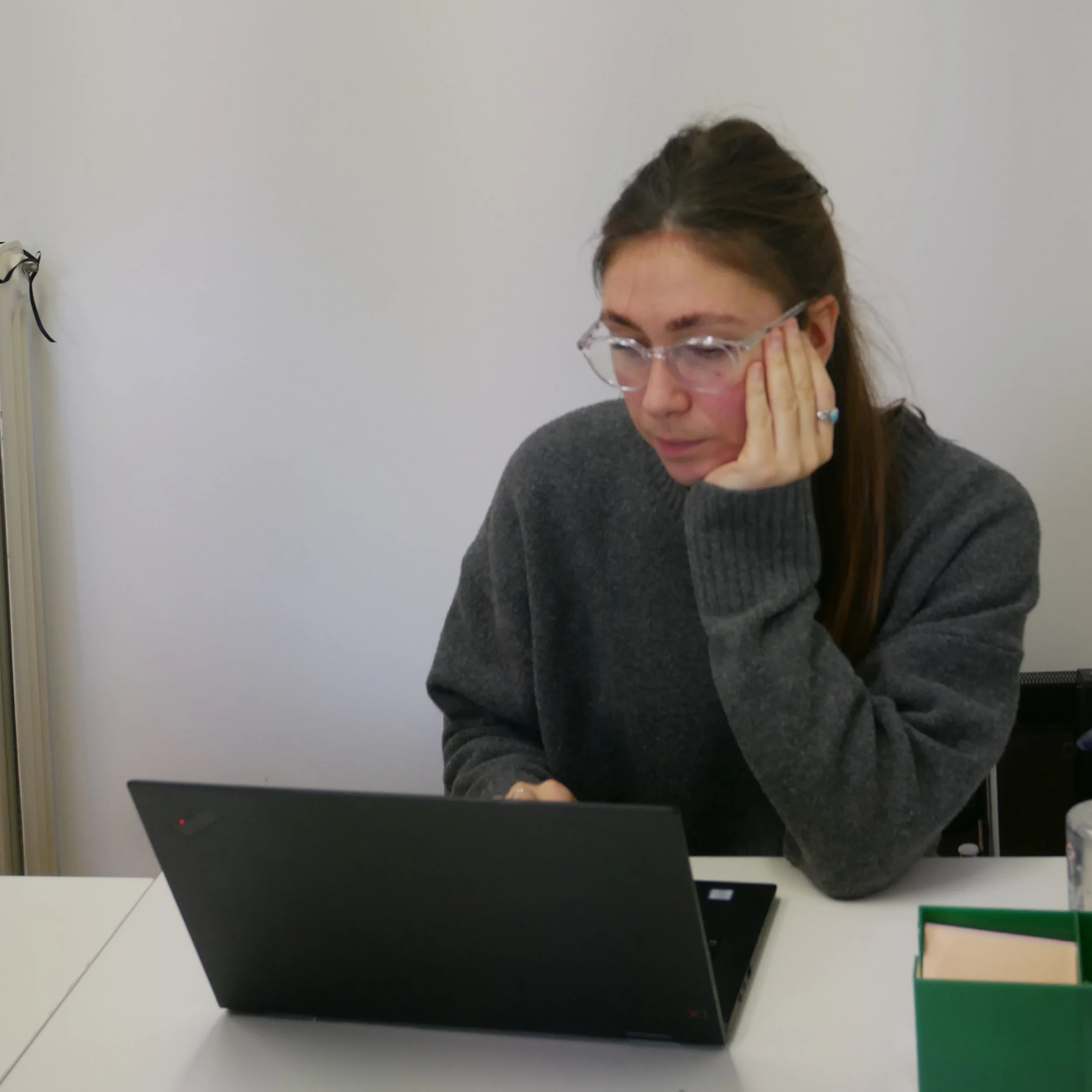
Fatima (*fictional name) is a young woman from Syria who had been living in Poland with her mother. Her mother had been granted a humanitarian visa, and Fatima’s status was connected to that of her mother. However, her son Yusuf (*fictional name), born in Poland, had not yet received any residence status, leaving the family in legal uncertainty.
To secure Yusuf’s protection and access to social support, our legal team worked on two parallel actions: submitting an application for international protection for Yusuf and a humanitarian residence application to the Border Guard for Fatima.
From the start, we provided Fatima with continuous support, explaining how to communicate with authorities, what to expect, and how to respond to official correspondence. When the proceedings were repeatedly delayed without clear justification, we monitored the case closely, submitted formal reminders, and offered procedural explanations.
When the Border Guard extended deadlines multiple times, our lawyers intervened formally, highlighting the excessive length of the process, which prompted the authority to accelerate the case. Soon after, Fatima was invited to submit final comments, completing the evidence collection phase.
Finally, Fatima received a positive decision and a humanitarian residence permit, giving her access to security and protection. As a direct result of these legal interventions, one of her sons had already received humanitarian stay, and Yusuf’s case was moving toward a successful conclusion.
This case highlights how consistent legal guidance and timely interventions can protect children born in Poland and prevent families from remaining in prolonged legal uncertainty.
*Personal details have been changed to protect the anonymity of the applicants.