
Addressing Trafficking and Gender-Based Violence in the Asylum Process
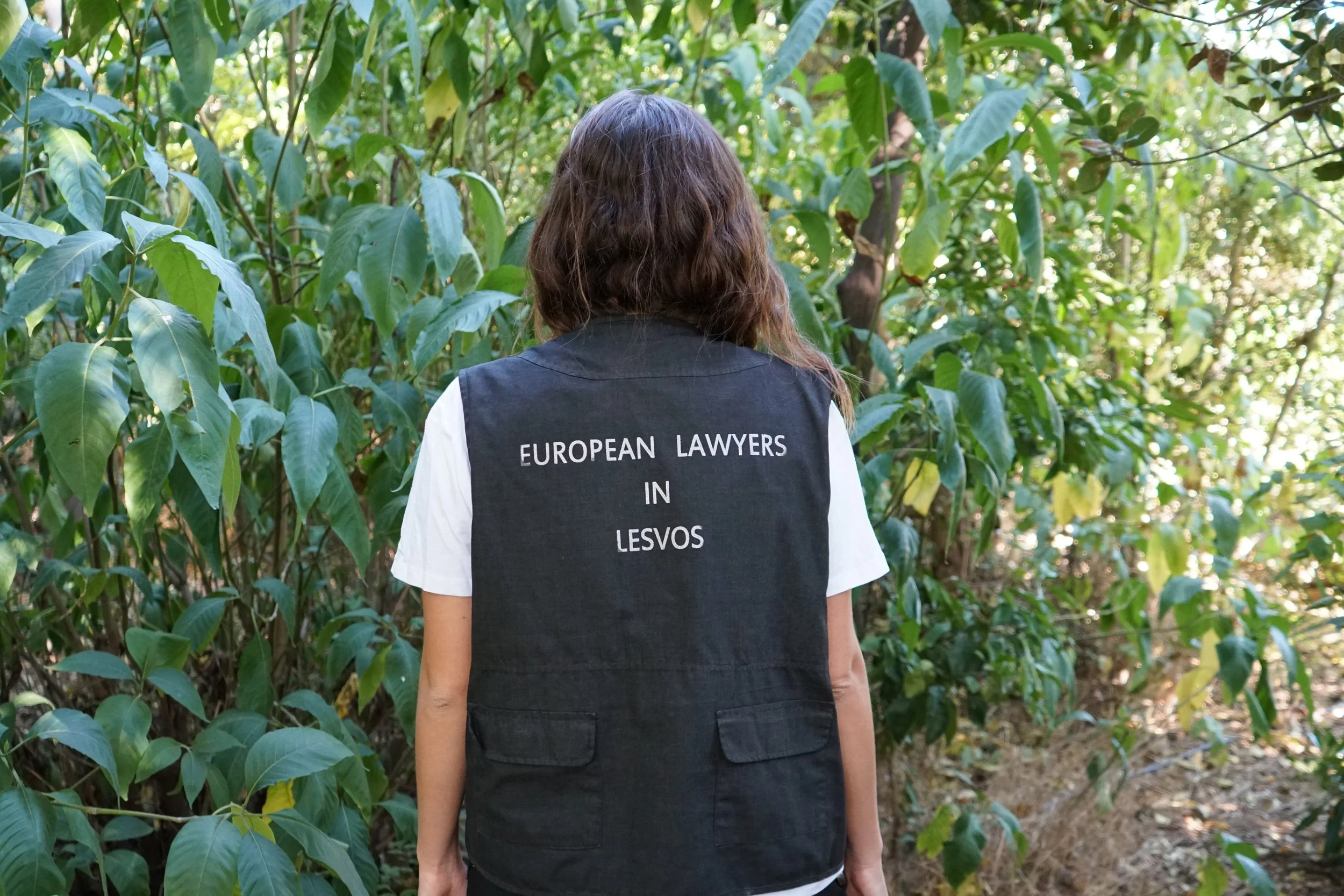
Hawa* (a fictional name) is a young woman from Sierra Leone. Before she left, she lived with her child and family in a small village. As a young woman with limited education, restricted economic opportunities, and family responsibilities, she was particularly vulnerable to exploitation.
Hawa decided to leave her family and child and travel to Türkiye after she was promised employment that would allow her to support herself and her family. When she arrived, her identity documents were taken away from her and she survived exploitation, gender-based violence and human trafficking. As a result of this abuse, she became pregnant.
She later fled to Greece, where she gave birth to her second child. Her first asylum application in Greece was rejected because she didn’t understand her rights and responsibilities within the asylum process or the criteria that would be used to asses her claim. She remained in a situation of extreme vulnerability as a survivor of human trafficking and gender-based violence, and as a single mother.
Hawa was frightened and confused. If returned to Sierra Leone, she was at serious risk of further harm; her family had been forced to move house because of threats from the group that had trafficked Hawa in Türkiye. The government was unable to protect them, and would be unable to protect Hawa, because organised criminals were involved.
Furthermore, her second child was born outside of marriage and as a result of violence. In the social and cultural context of Sierra Leone, both Hawa and her child would face serious stigma and discrimination. Because of this, Hawa hasn’t even told her family about her child.
After her initial asylum procedure was rejected, Hawa appraoched ELIL requesting legal support. In initial appointments, our lawyer discussed her case with her and answered her questions about the asylum process in Greece. Together, our lawyer and Hawa prepared her case thoroughly, gathering relevant evidence. They submitted a subsequent application, but she was worried about how she would communicate her experience of trafficking and the ongoing risks she faced in Sierra Leone.
ELIL provided essential legal support during her subsequent asylum application, explaining her rights and repsonsiblities in the asylum process and supporting her to fulfil them. Our lawyers met her several times to prepare her for her interview, ensuring that her experiences of trafficking, gender-based violence, and ongoing threats were presented in a clear and coherent manner, while taking into account her trauma and vulnerability. ELIL also supported her in gathering and submitting the necessary documentation to substantiate her claims.
This intervention was crucial in addressing the deficiencies of the initial procedure, illustrating all of the relevant elements of her case and ensuring a proper assessment of her need for international protection. As a result of this support, Hawa was granted refugee status, allowing her and her child to live in safety and stability.
*Name and identifying details have been changed for protection reasons.